“I learned to think, read, write, analyze, and understand the world during my undergrad education”
April 2026 – Drew University alum Alison Kinney C’97 has authored her third nonfiction book, United States of Rejection: A Story of Love, Hate & Hope, set to release on May 1.
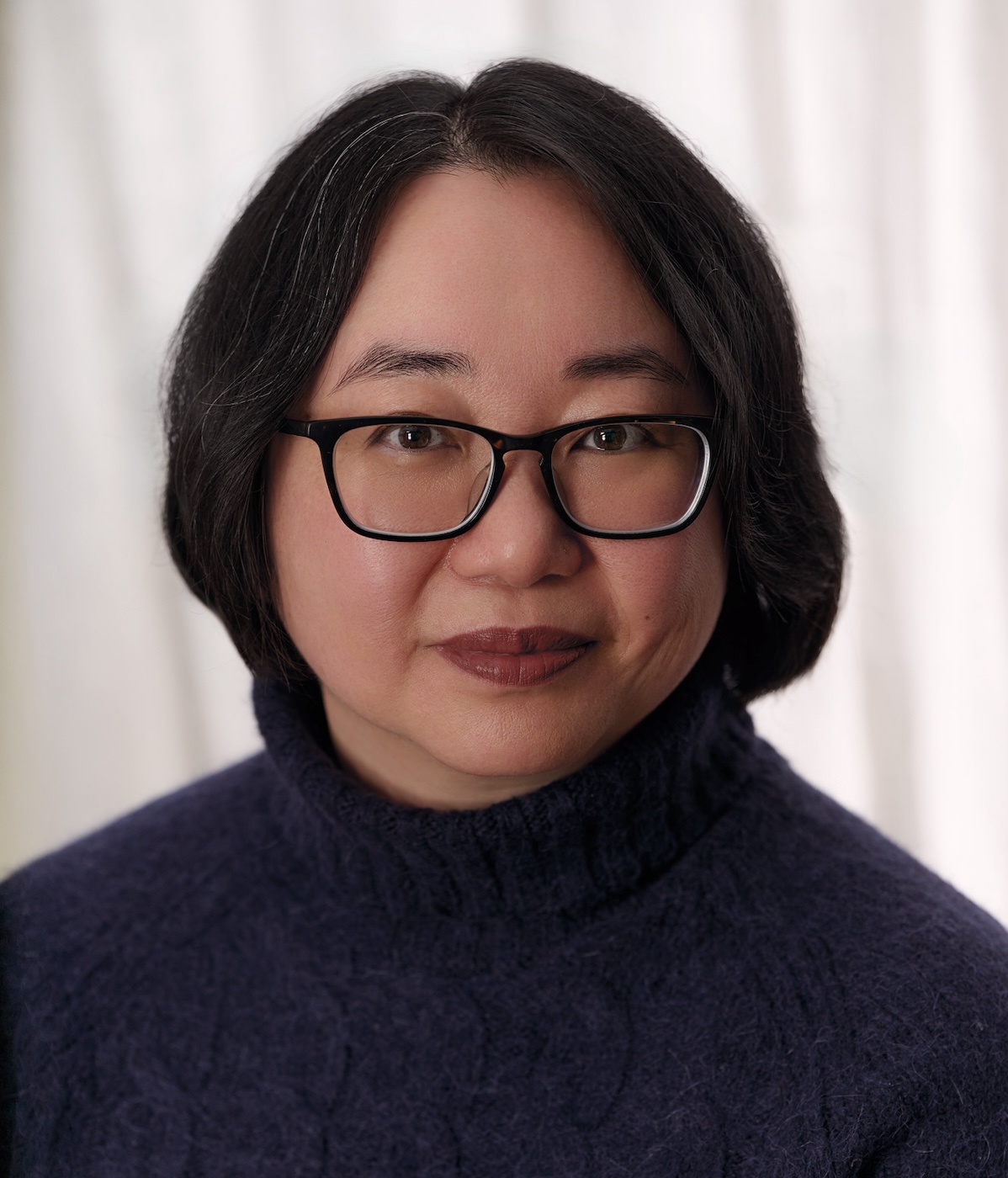
The book explores personal and political experiences of rejection across the United States, told through intimate stories of both the rejectors and the rejected—lovers, families, neighbors, and a nation and its people.
Kinney will embark on a book tour in the coming months and encourages members of the Drew community to attend. “I welcome students and alumni to stop by, introduce themselves, and ask me questions or just chat!” she said. “I love meeting people, especially students!”
We spoke with Kinney to discuss her new book, advice for students seeking publication, and how her time at Drew helped mold her as an established writer and educator. Read on to learn more.
Why did you choose Drew University as an undergraduate?
I was a Drew Scholar and got a full tuition scholarship, so it’d be possible to say that Drew chose me, rather than the other way around. That was fortunate, because as a high school student I had ambition but no sense of direction and little guidance on how to choose colleges, what I should strive to get out of my education, or how to make career decisions. I was lucky to land somewhere that could teach me what I needed to learn in order to learn.
Did your experience at Drew help mold your career pathway as an educator and writer?
I was an English and women’s studies double major and French minor. During my last semester, to pick up some extra credits, I took a fiction workshop with Peggy Samuels [Professor Emeriti, English] and realized I wanted to write. After graduation I spent the next few years working various jobs and taking more classes, getting closer to enrolling in an MFA in Creative Writing program, and meeting other writers. (To the writing students here: talk to your mentors first about MFAs and about how to get into a program that pays you to attend, not the other way around!) That fiction workshop was a last-minute decision that altered my trajectory.
What was really important, though, was how I learned to think, read, write, analyze, and understand the world during my undergrad education. Wendy Kolmar [Director of Women’s, Gender, and Sexuality Studies] taught me critical thinking and opened my mind to different frameworks for living in and changing the world. She made my life today possible. Peggy Samuels and Susie Thomas [former London Semester lecturer] gave me the chance to exercise my imagination. Joan Weimer [former professor of English] eviscerated one of my papers and told me that I was too intelligent to write as badly as I did, and she was absolutely right! Once I’d stopped crying, I was set on the path toward being the writer I am today. Geraldine Smith-Wright [former professor of English] taught me to seek joy and integrity even in the worst slogs. And Marie-Pascale Pieretti [Chair of French and Italian, Professor and Director of the French Program] taught me, twenty years before I taught my own first class, that compassion is more than half the game in teaching, and that making second (third, fourth, fifth) chances available is how we make change possible for people.
These professors (and more!) shaped everything I do as a writer and as a creative writing teacher now.
What are you the most proud of and why?
In terms of prestige and career highlights, I’m proud to be a nonfiction writer who managed to cold-pitch The New Yorker and land a piece there that I love. Also, I’m proud to have placed a lyrical essay in The New York Times Sunday Review, which doesn’t normally publish lyrical essays.
But in terms of creative pride and accomplishment as a writer, my new book is the most important work I’ve done, and I’m proud of how I stretched myself, in terms of research, interviews, and sharing so many stories of amazing people past and present. I was utterly absorbed in the writing and had So. Much. Fun. every step of the way.
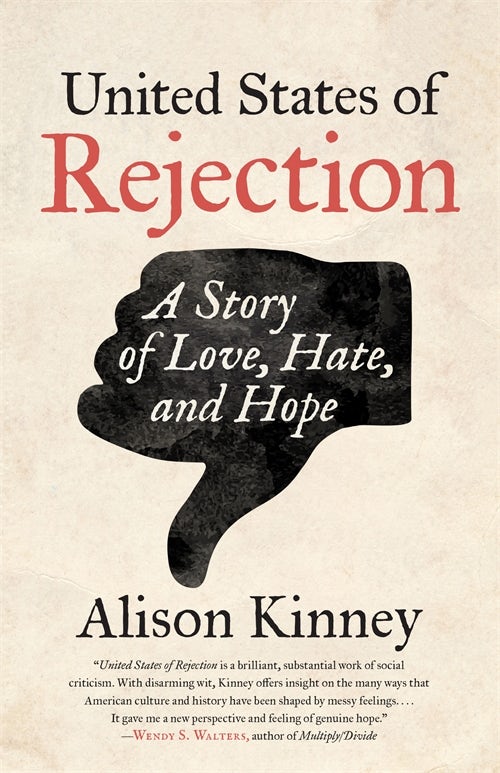
Tell us about your new book.
My book is a cultural history of rejection and acceptance in what’s now the United States, spanning 400 years of first and last dates, playground and judicial bullying, and personal and political rejections right up to the semiquincentennial. It’s a love/hate story based on hope and resistance, for rebuilding our relationships, our communities, and our nation.
I got the idea for the book while talking with a neuroscientist studying the physical pain responses people experienced during social rejections. I was writing an article. Our conversations at his lab spun toward the wider implications of social rejections, combining psychobiology with historic and political behavior, and I realized that this was a book, not just an article. I began exploring not only the neuroscience of rejection, but also centuries of stories illustrating these implications, from the Founding Fathers’ dating and governance rejections, to Cabinet mean girls snubbing each other in the buildup to the Civil War, to Harry and Bess Truman’s marital strife about the dropping of the bomb, to the women who deliberately matched on dating apps with January 6 Capitol rioters in order to turn them in to the FBI.
I interviewed amazing people who knew all about personal and community rejections: a soldier dismissed under Don’t Ask Don’t Tell; a survivor of the Japanese American incarceration; an original A Chorus Line dancer; a Roman Catholic Womanpriest excommunicated from the church for her ordination; and an anthropologist who dug her own family’s history out of the ashes of the Tulsa Race Massacre.
Any advice for students seeking publication?
I think my most important piece of advice for strangers is a cliché that’s true: we have to read, and that means reading not only within our own and adjacent genres, but also craft advice, publishing advice, and community-building. First, so that we can engage our own writing with the conversations that are happening in the world. Second, If we don’t read and support other writers, then why should we expect anybody to support us? Publishing is about power and privilege—but it is also about community, reciprocity, supporting each other, giving back, and sharing opportunities.
The publishing world has been steadily shrinking in the number of jobs, opportunities, and editors seeking new work. So our goal as writers and readers should be to make the expansion of that world, and our own and others’ opportunities, possible. We have to read widely and support exciting literary ventures. If we don’t have the money to buy books and magazines, we ask for them at the library, or attend free readings, or volunteer, which are all ways to support the literary world—and find support, too. Money shouldn’t be a barrier to book access, and it’s not the thing on which our literary relationships should be based, either.
Publishing isn’t just about being a solitary writer being rejected or accepted by editors; it’s about building the literary world that we want to live, write, and read in. And it’s not about “networking”—it’s about bringing your own community with you and building everybody up at the same time.