

About the Program
The Drew University Educational Opportunity Scholars (EOS) Program seeks students who are motivated for a brighter future. Also widely referred to as Educational Opportunity Fund (EOF), EOS is a state-funded program that provides academic support, personal development, leadership skills, and care for students. Our students develop the skills and abilities necessary to earn a degree and to achieve career success despite academic or financial obstacles.
The Educational Opportunity Scholars Program is a partnership between the NJ Office of the Secretary of Higher Education (OSHE) and Drew University. The program provides direct services designed to promote persistence through degree completion, and for the holistic care of our scholars. EOS admits students who have demonstrated academic readiness, academic potential, determination, and a genuine desire to learn. We render immediate and comprehensive academic, career, and student development support strategies to encourage personal and college success. Acceptance and participation in the EOS program may provide students with an additional grant from the State of New Jersey and from the University.
All New Jersey residents may apply to the program if they fall within the eligibility criteria. Citizens and permanent residents are required to complete the Free Application for Federal Student Aid (FAFSA) and students who qualify for DACA are required to complete the New Jersey Alternative Financial Aid Application.
Overview of Services
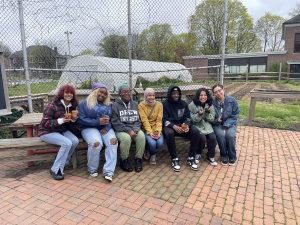 EOS is designed to provide eligible students with support services that include:
- 5-week Summer Institute
- First-Year EOS Seminar Course
- Personalized Individual Counseling
- Tutorial Referral (Academic Services)
- First-Year Peer Mentoring
- Civic and Leadership Development
- Monthly General Meetings
- Designated Student Success Workshops
- Community and Alumni Connections
- … And Much More!
5-week EOS Summer Institute
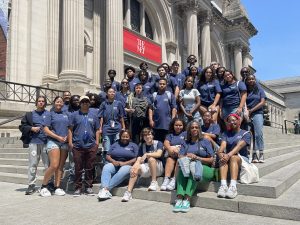 First time college students attend our 5-week Summer Institute, where they reside on campus from Sunday evenings through Thursday afternoons and participate in coursework, cultural activities, and student success workshops. This summer program affords students the opportunity to earn college credits and a GPA before entering in the fall.
Personalized Individual Counseling
First year students meet with their EOS counselor twice a month and upperclass students monthly to discuss academic progress and any personal issues that may be affecting their educational success.
Eligibility and How to Apply
Prospective First-Year Students
Prospective first-year students interested in applying for the EOS program must complete an admission application to Drew University. The University accepts both the CommonApp and the Coalition Application. When completing the admission application, students will be asked if they would like to apply for the EOF Program. When students answer affirmatively, they will be prompted to answer additional questions relevant to the program.
As the Educational Opportunity Scholars program is a state-funded program, students must meet the following criteria to be eligible. If you have any questions about the EOF eligibility requirements, please contact the Office of Admissions: [email protected], 973-408-DREW or EOS: [email protected]. EOS specific admission inquiries can also be directed to Tyra Asberry, EOS Sr. Counselor/Recruitment Specialist.
-
Must demonstrate an educationally and economically disadvantaged background.
-
Must be a New Jersey resident 12 consecutive months prior to receiving the award.
-
Must file a Free Application for Federal Student Aid (FAFSA) or the New Jersey Alternative Financial Aid Application.
-
Must meet the academic criteria as set by the Admissions, Financial Aid, and the EOF Program.
-
Gross income and assets must fall within the criteria shown:
ESTABLISHED INCOME ELIGIBILITY CRITERIA: 2025-2026 ACADEMIC YEAR
|
Applicants with a Household Size of |
Gross Income (Not to Exceed) |
Max. Asset Cap (Not to Exceed) |
|---|---|---|
|
1 |
$30,120 |
$6,024 |
|
2 |
$40,880 |
$8,176 |
|
3 |
$51,640 |
$10,328 |
|
4 |
$62,400 |
$12,480 |
|
5 |
$73,160 |
$14,632 |
|
6 |
$83,920 |
$16,784 |
|
7 |
$94,680 |
$18,936 |
|
8 |
$105,440 |
$21,088 |
|
8+ |
Add $10,760 for each additional family member |
Add $2,152 for each additional family member |
Students will be required to provide applicable income and tax information in order to qualify. Incoming First-Year applicants are required to complete a 5-week Summer Institute to be eligible for the EOF Grant as well as enroll in the EOS Freshman Seminar in the Fall and spring semesters of their freshman year. Admittance into the EOS Summer Institute is contingent upon an interview with the EOS staff and a demonstration of academic AND financial need.
Prospective Transfer Students
Prospective transfer students interested in applying for the EOS program must complete an admission application to Drew University. The University accepts the CommonApp. When completing the admission application, students will be asked if they would like to apply for the EOF Program. When students answer affirmatively, they will be prompted to answer additional questions relevant to the program. Transfer students are not required to complete the 5-week EOS Summer Institute Program or the EOS Seminar course during the academic year.
Students who have received EOF funding at another New Jersey college or university should contact the EOS Recruitment Specialist to inform the Specialist of their previous EOF funding. A staff member at the student’s previous institution will be asked to complete the EOF Transfer Form. Students must still meet all of the eligibility criteria listed below.
Students who have not received EOF funding at another institution are still eligible to apply for EOF funding and participation in the EOS program at Drew University upon transferring in. Students will be asked to provide the same tax and income information as first-year applicants.
The Educational Opportunity Scholars program is a state-funded program, as such, students must meet the following criteria to be eligible. If you have any questions about the EOF eligibility requirements, please contact the Office of Admissions: [email protected],973-408-DREW or EOS: [email protected]. EOS specific admission inquiries can also be directed to Tyra Asberry, EOS Sr. Counselor/Recruitment Specialist.
-
Must demonstrate an educationally and economically disadvantaged background.
-
Must be a New Jersey resident 12 consecutive months prior to receiving the award.
-
Must file a Free Application for Federal Student Aid (FAFSA) or the New Jersey Alternative Financial Aid Application.
-
Must meet the academic criteria as set by the Admissions, Financial Aid, and the EOF Program.
-
Gross income and assets must fall within the criteria shown:
ESTABLISHED INCOME ELIGIBILITY CRITERIA: 2025-2026 ACADEMIC YEAR
|
Applicants with a Household Size of |
Gross Income (Not to Exceed) |
Max. Asset Cap (Not to Exceed) |
|---|---|---|
|
1 |
$30,120 |
$6,024 |
|
2 |
$40,880 |
$8,176 |
|
3 |
$51,640 |
$10,328 |
|
4 |
$62,400 |
$12,480 |
|
5 |
$73,160 |
$14,632 |
|
6 |
$83,920 |
$16,784 |
|
7 |
$94,680 |
$18,936 |
|
8 |
$105,440 |
$21,088 |
|
8+ |
Add $10,760 for each additional family member |
Add $2,152 for each additional family member |
Prospective Graduate Students
EOF GRADUATE GRANTS
The New Jersey Educational Opportunity Fund provides financial assistance and supports a small number of graduate students. The overall objective of the EOF graduate program is to increase the participation of New Jersey residents from backgrounds of historical poverty in graduate and professional study. Students who received Article III EOF grants as undergraduates shall be given priority consideration for Article III graduate grants. These students are presumed to have met the financial eligibility criteria (as outlined in N.J.A.C. 9A:11-2.3) for graduate EOF as long as they continue to demonstrate financial need.
The graduate EOF program is designed to provide an opportunity for New Jersey residents whose undergraduate record reflects the potential for advanced study beyond the baccalaureate degree. Graduate grants range from $200 annually to $4,350 annually depending on the type of institution and financial need. These grants are renewable based upon continued eligibility.
GRADUATE ELIGIBILITY
- Must demonstrate an educationally and economically disadvantaged background.
- Must be a New Jersey resident 12 consecutive months prior to receiving the award.
- Must apply and be accepted to a participating New Jersey college or university.
- Must be a full-time graduate student as defined by the institution.
- Must meet the financial eligibility criteria as defined in the undergraduate section above.
- Must be in a degree/certificate program with a minimum requirement of 24 equivalent semester hours and be at least one academic year in duration.
Students should contact the EOF director at the institution of their interest for additional information on EOF Graduate Grants.
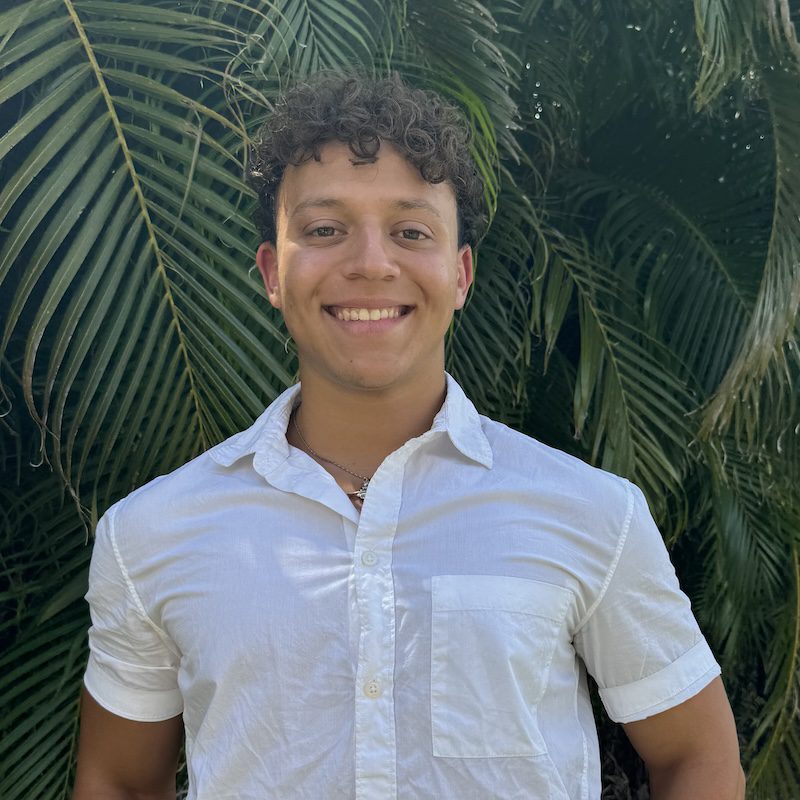 I love the access to the EOS office and I love how caring the EOS staff are. They are welcoming and they make me feel warm hearted. I truly truly love you guys.”
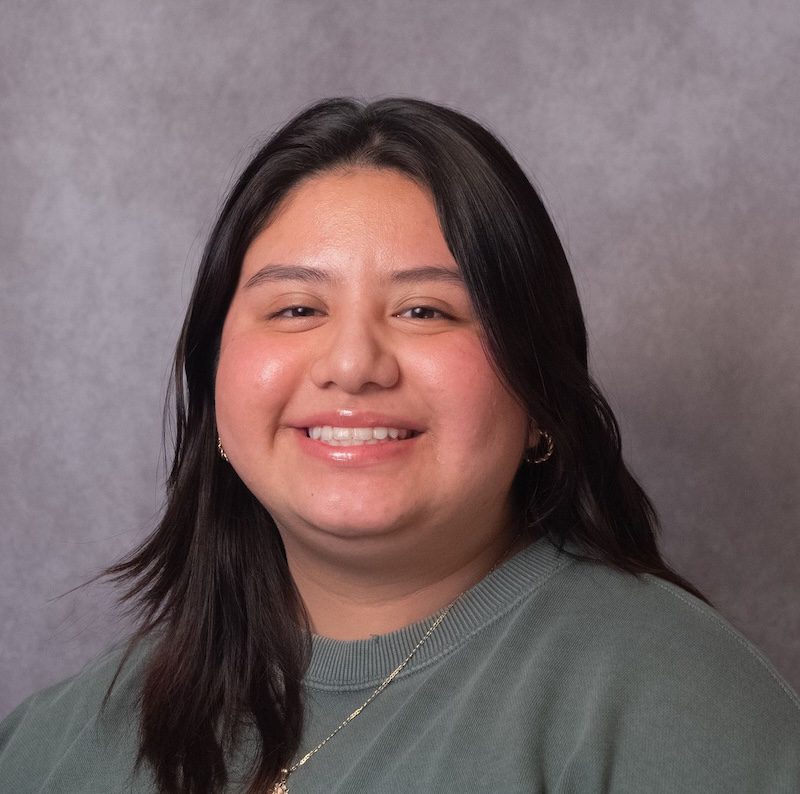 The EOS program at Drew University has been instrumental in shaping me into the scholar I am today, giving me the tools and confidence to thrive academically and personally. The unwavering support of the EOS staff is something I will always cherish, as their dedication has been a cornerstone of my journey here.”
 The EOS program is more than just a program for funding. It gives you more of the support that you need as you navigate college. It is more like a community than a financial program.”
 I feel that the EOS program is literally a blessing because as a first-generation student I was unfamiliar with college but with the EOS staff and program they were a pedestal for me.”
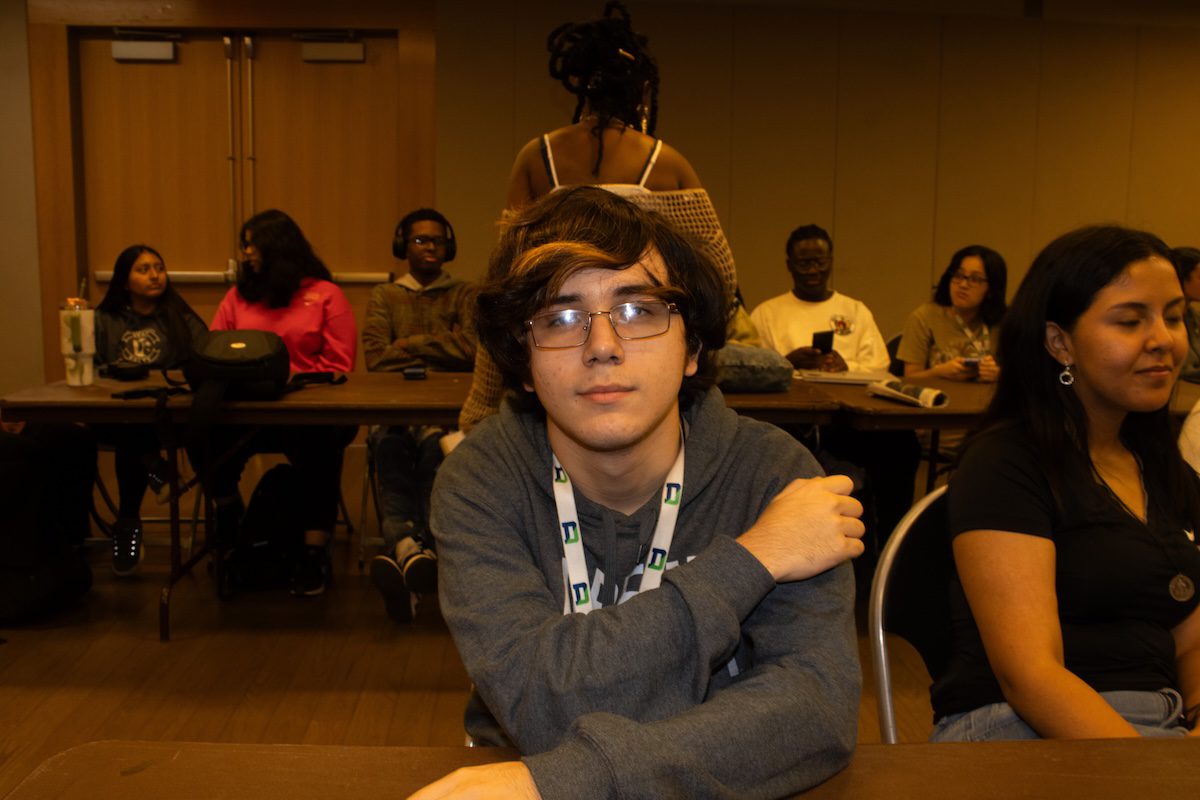 The EOS program is a good way to get started with adjusting to college. It helps you meet new people.”
 I am deeply grateful to the EOS staff for their genuine care and support. They have played a significant role in my confidence and academic growth, shaping the person I am today.”
 Being part of the EOS family has really shaped my college experience, it has molded me in a path towards greatness. Being a first generation college student and a recently immigrated student, there are many things that still confuse me on how things systematically work at an American college. However, having a supportive community like the EOS family who are always ready to help makes life easier.”
History of the New Jersey Educational Opportunity Fund
EOF History
The following February, the Select Commission on Civil Disorders (the Lilly Commission, established in response to the events in Newark) made its report to Governor Richard Hughes, who subsequently submitted his Moral Recommitment message to the New Jersey State Legislature. The message called for the establishment of a broad range of programs to address the basic conditions the Commission had cited as contributing to the summer’s unrest. Among those programs was the Educational Opportunity Fund, established by legislation sponsored by then – freshman legislator Thomas Kean.
EOF set the pace for many initiatives which today are widely incorporated into college life. Among the many powerful strategies implemented by EOF are precollege articulation, basic skills testing and remediation, systematic retention efforts, peer counseling and peer tutoring, academic support courses, multicultural curricula and human relations programming, student leadership development, and outcomes-based program evaluation.
Today, the EOF program serves low income, first generation students who have demonstrated commitment, motivation, and potential for success in every county of the state.